

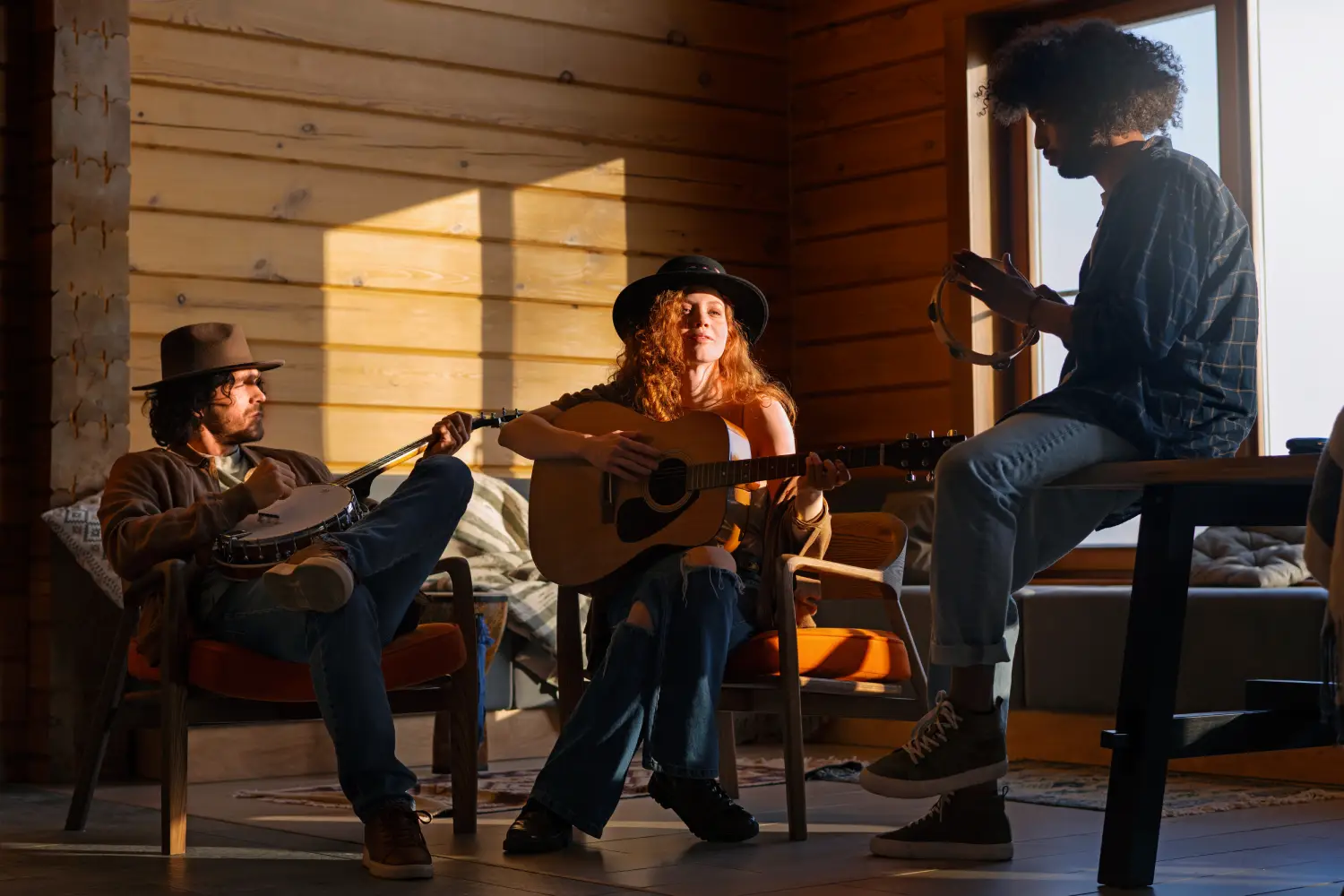
Cultural heritage: Cultural heritage includes the musical heritage. The old songs, music, and ways of performance usually have the narration of the past of a community, its values, and the lives of the older generations. Conserving this heritage aids in maintaining that these cultural expressions remain valued and known to the future generations.
In most regions of the world, the traditional music was initially transmitted orally. Musicians and the aged would pass songs and melodies directly to the young individuals in society. This facilitated the exchange of musical knowledge among families and other social groups. Nevertheless, with the shift in societies and the increased hegemony of modern music, there is an increasing desire to record and safeguard traditional music.
Cultural organizations, historians, and musicians usually collaborate to conserve the traditional music. They can make records of the performances, gather the old songs, or write about the story of the music. The audio and collections of such materials can be used to preserve traditional tunes that can be studied and appreciated in future.
Educational programs and workshops are also relevant in maintaining musical heritage. Music classes in community centers, schools and cultural institutions sometimes offer the young ones an opportunity to learn the traditional instruments and songs. The learning opportunities enable individuals to learn the cultural meaning of the music as they acquire their own musical skills.
Musical traditions are also preserved with the assistance of festivals and cultural events. By setting up events where there are performances of traditional music, the communities can provide an avenue where audiences can enjoy these art forms in an entertaining manner. These performances make performers and people in the audience appreciate their cultural background.
Preservation efforts have also been made easy by modern technology. Traditional music can be shared among the outside world by the means of digital records, the Internet, and video curation. This broader exposure contributes to the growth of appreciation of other musical traditions world over.
Cultural heritage as the tradition of preservation of old songs is also connected to safeguarding the cultural identity. By communities still practicing and performing their traditional music, they still have an attachment to their history as they pass their cultural narrations to the upcoming generation.
Another important aspect is the prevention of emotional overload. By releasing tension regularly, individuals avoid the buildup of unresolved stress that leads to burnout symptoms such as fatigue, irritability, and loss of motivation.
Social recreational rhythm further supports emotional resilience. Regular shared leisure activities strengthen relationships and provide emotional support systems that buffer stress.
Mental recreation awareness highlights flexibility within recreational rhythm. The goal is not rigid scheduling but sustainable balance that adapts to changing needs.
Ultimately, establishing a recreational rhythm transforms relaxation into a proactive strategy for long-term well-being. Consistent, intentional recreation safeguards emotional energy and prevents burnout effectively.ical well-being.